
Why Do Dogs Chase Their Tail?
Tail chasing is a common behavior exhibited by dogs that has intrigued pet owners and veterinarians alike. While it may amuse some, understanding the motivations behind this behavior is crucial for the well-being of your pet. This article delves into the primary reasons why dogs chase their tails, along with insights into when this behavior may become a concern.
PET CARE
Purr
11/26/20252 min read


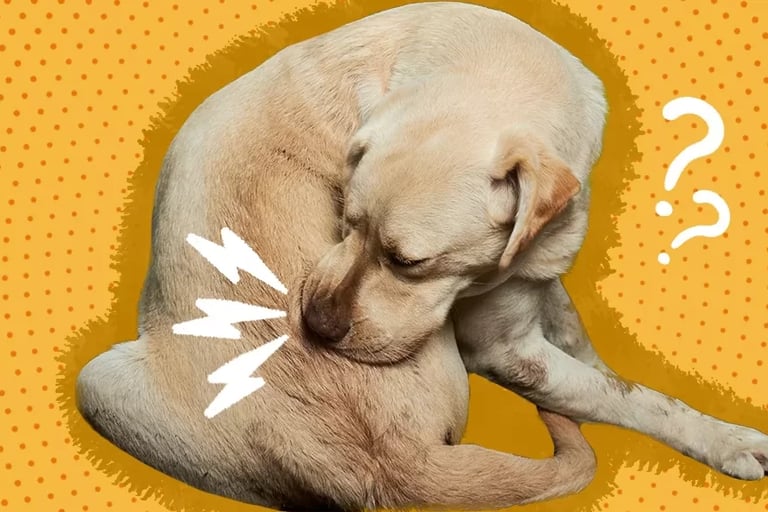
Pet parents often share amusing stories about their dogs spinning around wildly, trying to catch their tails as if it were a fast-moving toy. While this behavior can be entertaining to watch, it's important to understand that tail chasing can have different meanings depending on the context. Sometimes, it may simply be playfulness or curiosity, especially in puppies exploring their bodies. However, in other cases, frequent or intense tail chasing can signal boredom, anxiety, or underlying medical issues that may require attention. Recognizing the difference is key to ensuring your dog's well-being.
Common Reasons Why Dogs Chase Their Tail?
There are several reasons why dogs engage in tail chasing. These reasons can range from playful antics to more serious underlying issues:
Playfulness: For many dogs, chasing their tails is simply a fun game. Puppies, in particular, tend to chase their tails as a way to engage in playful behavior.
Natural Instinct: Some breeds, especially those with strong prey drive, may chase their tails as they respond to hunting instincts. This behavior mimics how they would catch prey in the wild.
Attention-Seeking: Dogs are social animals and may chase their tails to attract the attention of their owners. This behavior can be exacerbated if the owner gives a positive response, such as laughter or interaction.
Stress or Anxiety: Just like humans, dogs can exhibit compulsive behaviors when they are stressed or anxious. Tail chasing may serve as a coping mechanism for dogs struggling with separation anxiety or other stressors.
Medical Issues: In some instances, persistent tail chasing could indicate a medical condition such as fleas, allergies, or injuries. If a dog excessively chases its tail, it’s essential to monitor them for additional signs of distress.

Is Tail Chasing Safe or Concerning?
Most of the time, tail chasing is a harmless behavior. However, if it becomes frequent or compulsive, it might raise a flag for concern. Parents should watch for the following signs:
Frequency of the behavior: If your dog is chasing their tail excessively, it may indicate underlying issues.
Physical harm: Dogs engaging in tail chasing may inadvertently hurt themselves.
Changes in behavior: Any additional signs of stress, depression, or anxiety should be taken seriously.
When to Contact Your Vet
If your dog's tail chasing is accompanied by other symptoms such as loss of appetite, lethargy, or visible pain, it’s crucial to consult your veterinarian. Early intervention can prevent potential health complications. Your veterinarian may conduct a thorough examination and suggest behavioral training or other therapeutic strategies.
Monitoring your dog's behavior is key to maintaining their health and happiness. Tail chasing, while often amusing, deserves careful attention to ensure it remains a harmless pastime.
For more such insights on pet health, care & safety, check out our recent blogs for helpful resources and tips! Be part of The Purr Pack - India’s fastest growing WhatsApp community for pets & follow @purrhq for more our creative posts, stories, and tail wags!
Other Relevant Blogs
© 2026. NEM Innovations Pvt. Ltd. All rights reserved.
PRODUCTS
COMPANY
COMMUNITY


Building India's largest pet safety community — one tag at a time. Smart QR tags, GPS tracking, lost & found, all in one place.
DOWNLOAD APP